

Iron infusions provide a direct source of iron into the blood to treat severe anemia when orally administered iron supplements do not work. Given within 15-60 minutes by IV they avoid gut absorption problems and stores are rebuilt more rapidly than pills. The majority of patients are able to go back to normal life instantly, but the process of recovery is slow because the red blood cells regenerate. Should see significant changes in a few days, complete benefits in 2-6 weeks.
Immediate Post-Infusion (0-24 Hours)
In 10-20 percent of the patients, mild reactions develop. Ordinary: metallic taste, which persists hours, headache, flushing, or pains in the muscles. Uncommon yet severe: allergic rash, low blood pressure or difficulty breathing- alert the staff immediately. The highest fatigue is on day 1 because body iron processes increase. Rest, hydrate (2-3L of water), no alcohol/caffeine. No driving when dizzy; get transportation.
Short-Term Recovery (Days 2-7)
Energy boost usually begins on day 2-4: Breathlessness on climbing stairs is less, brain fog is lifted. Urine turns dark (oxidized iron) -normal, 1-2 days. Possible joint aches or nausea but they pass. Indicators Track hemoglobin through follow-up bloodwork week 1. Symptoms get better with variable degrees: Mild cases feel better quicker than severe ones that require numerous infusions.
Peak Improvement Timeline (Weeks 2-6)
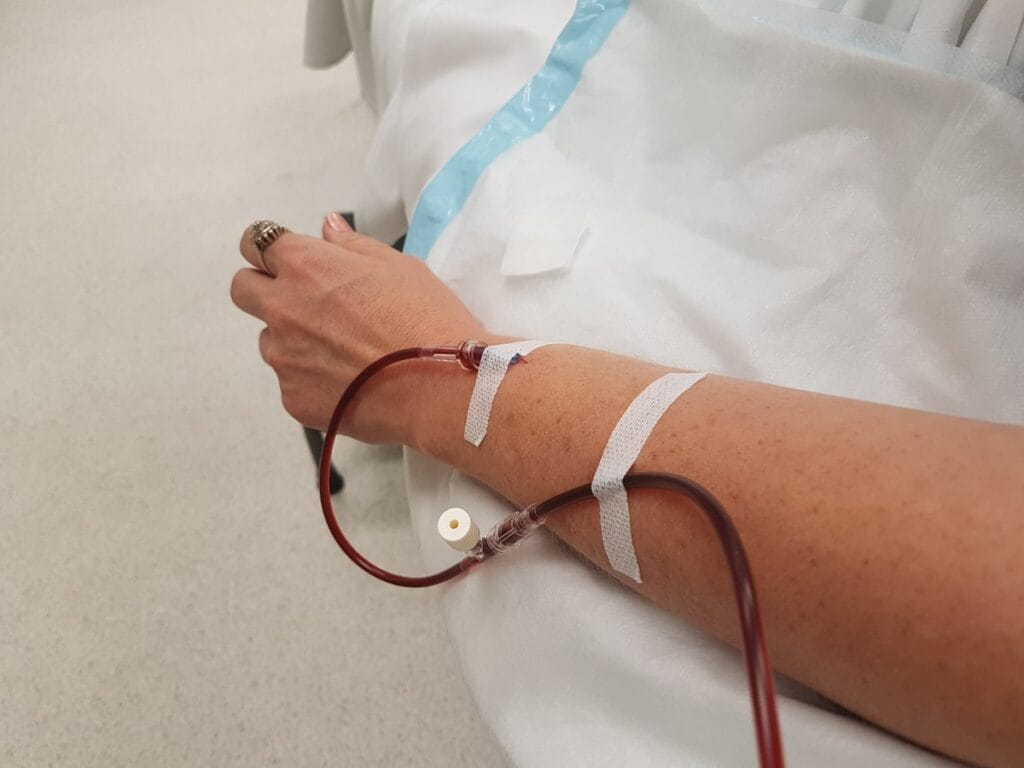
Week 2- Production of red blood cells increases- hair/nails become stronger, exercise tolerance back. Complete recovery: 4-8 weeks with the replenishment of the ferritin stores. Women who have heavy period or GI bleeding might have to have boosters every 3-6 months. Retest results at 4 weeks; optimum hemoglobin >12 g/dL women, >13 men.
Common Side Effects and Management
Headache/Nausea: Acetaminophen (no NSAIDs- risk stomach irritation). Ginger tea settles stomach.
Muscle/Joint Pain: Light stretching, warm baths. Usually resolves day 2.
Skin Reactions: Cool compresses, antihistamine in case of itch.
Metallic Taste:It is cloaked with citrus and mints.
Fatigue Crash: Iron mobilization consumes energy at first- short naps are good.
Critical Aftercare Tips
Hydration: Consumes 8-12 cups of water daily empties excess iron, eliminates kidney strains.
Diet: Vitamin C foods (oranges, peppers) increase absorption; calcium/dairy should not be taken around meals, tea/coffee (tannins inhibit absorption). Takes calcium supplements every 2 hours.
Rest: Light ambulates, no heavy lifting 48 hours. Sleep 8 hours nightly.
Medications: No iron pills at the same time- overload of infusion is possible. Keep on prenatal vitamins when pregnant.
Sun Exposure: Minimum during the first 48 hours- skin tenderness may occur.
When to Contact Your Doctor
Repeat instantly: chest pain, swelling, wheezing, headache severe, fever above 100.4 o C, black stools (GI bleed), or no improvement in 2 weeks. Uncommon delayed reaction (48 hours): hives, joint swelling.
Lifestyle Optimization During Recovery
Week 1: Rich in proteins foods (chicken, eggs, spinach) increase the production of hemoglobin. 20-minute walks enhance the circulation.
Week 2+: Progressive cardio-cycling, swimming as energy becomes back in track. Yoga replenishes exhausted nutrients.
Supplements: B12, folate in case of deficiency (approved by the doctor). Magnesium facilitates healing of muscles.
Monitoring: Symptom journal: energy 1-10, frequency of dizziness. Share at follow-up.
Expected Milestones by Week

Day 3: Feeling less fatigued, clearer in the head.
Week 1: Stamina up 30%, less pale.
Week 4: No exertion intolerance, improved hair/nails.
Week 6: Ideal energy, ferritin normalized.
Iron infusions are effective- 80% will increase hemoglobin 2-3 g/dL after 2 weeks. Waiting is worth it; combine with intelligent follow-up to be vibrant. Follow-up scheduling; keep up with progress.